Monday, April 19, 2021

Digital Landscape – Ciutadella Park Study with Infinite Painter


This landscape study was done in Ciutadella Park in Barcelona, using Infinite Painter on the iPad. Painted in 2021, it was a quick session focused on capturing light, shapes, and atmosphere.

Ciutadella is one of those places where the balance between architecture, nature, and movement makes it perfect for observational studies. I kept the brushwork loose, using just a few values and broad shapes to build structure without overworking the composition.

Infinite Painter remains one of my favorite tools for this kind of sketch,fast, responsive, and just enough flexibility to stay focused on the essentials.


A simple study.


Sunday, April 26, 2020

Essential Life Drawing Resources for Artists

Art by Ryan Woodward

Strong figure drawing skills are the foundation of good visual storytelling

Whether you’re working in concept art, illustration, animation, or simply trying to sharpen your observational skills, life drawing remains one of the most valuable practices you can invest time in.

But not everyone has regular access to live figure drawing sessions, and that’s where online resources come in. Over time, I’ve gathered a set of go-to websites that offer high-quality life drawing references. Each one brings something slightly different to the table, depending on what you’re looking to practice.


Here’s a breakdown of the best online resources for life drawing:


Top Life Drawing Reference Websites

PoseSpace

https://www.posespace.com

A reliable source for high-resolution, artist-focused photography. PoseSpace offers a wide range of models, diverse poses, and carefully lit setups. Some poses even include full 360-degree rotations, which is a huge help when you want to study form and volume properly.


Line of Action

https://www.line-of-action.com

Perfect for quick gesture practice. Line of Action lets you set up timed figure drawing sessions, focusing on capturing movement, energy, and proportion. You can also explore categories like hands, feet, animals, and faces.


QuickPoses

https://www.quickposes.com

If you want to train speed and instinct, QuickPoses is ideal. The platform pushes you to work through a high volume of sketches in a short time, helping build fluidity and confidence in your strokes.


Croquis Cafe

https://croquis.cafe/

Croquis Cafe brings the feel of a real-life figure drawing session to your screen. Their free videos simulate studio sessions with live models, timed poses, and consistent quality. It’s one of the closest substitutes for an actual drawing class if you’re working from home.


AdorkaStock

https://www.adorkastock.com

For more expressive, dynamic, and storytelling-driven poses, AdorkaStock is a great option. The poses are often animated, dramatic, or exaggerated, making them perfect for character work, comic art, and animation studies.


SenshiStock

https://www.senshistock.com

Focused on action, movement, and fantasy poses, SenshiStock is great for artists who want references that feel lively and filled with narrative energy. Lots of free pose sequences and motion packs are available.


New Masters Academy (Subscription)

https://www.nma.art

If you’re serious about academic study, New Masters Academy is one of the best investments you can make. Their professional-quality model references and figure drawing videos bring classical art training into your workspace.


Which One Should You Use?

Each site has its strength:

  • Quick gesture warm-ups: Line of Action, QuickPoses

  • Detailed anatomy studies: PoseSpace, New Masters Academy

  • Dynamic storytelling poses: AdorkaStock, SenshiStock

  • Simulated studio sessions: Croquis Cafe

Mixing different types of references into your practice keeps your skills flexible and sharp.


Final Thought

Mastery in figure drawing doesn’t happen by accident. It’s built quietly, through repetition, focused observation, and constantly challenging your hand and eye to work together. These online resources make it easier to stay consistent, even without access to a live model.

Use them well, draw often, and remember: every sketch, no matter how quick or rough, moves you forward.


#LifeDrawing #FigureDrawing #ArtPractice #ArtResources #GestureDrawing #SimonLocheArt


Tuesday, January 7, 2020

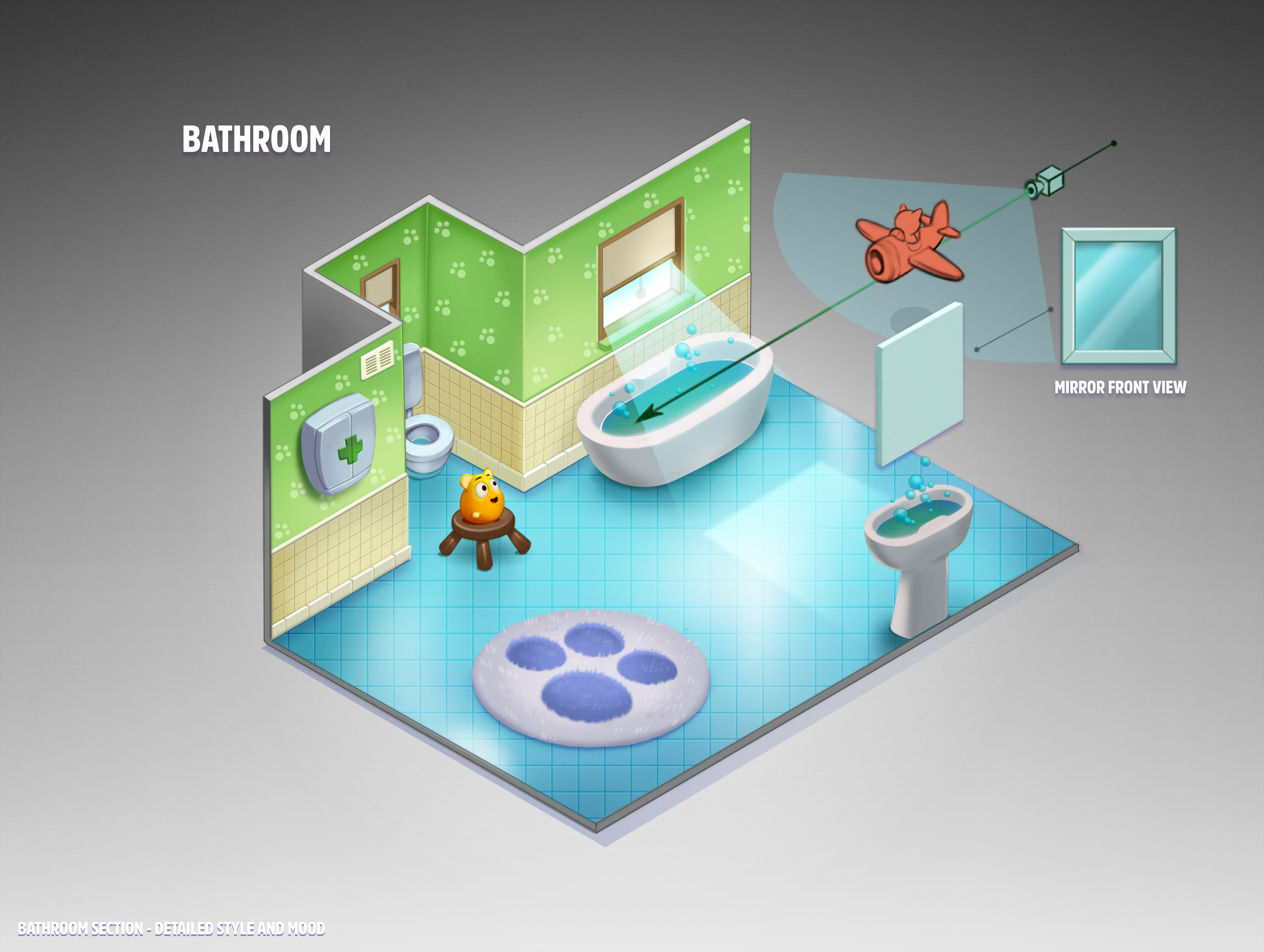
Talking Tom Sky Run – Concept Art and Building a New Vision

Back in 2019, I had the opportunity to join Outfit7 to help establish a brand-new studio in Barcelona. One of the key projects I worked on during that time was Talking Tom Sky Run, a fresh take on the globally popular My Talking Tom IP.

The challenge was clear: innovate.

Rather than following the established formula of classic runner games, the goal was to reimagine the experience, offering players something freer, more dynamic, and distinctly different. Talking Tom Sky Run introduced a flying-plane runner concept, something that broke away from traditional linear gameplay and opened up new possibilities for movement, style, and world-building. 

Although my time at Outfit7 was relatively brief, the project was an exciting and rewarding challenge. Beyond the gameplay innovation, it was also about building a new team, aligning creative directions, and setting the visual foundation for a fresh branch of an already successful franchise. Being part of the early stages of something new, helping shape it from the ground up, remains one of the most memorable highlights of my career.

Throughout the project, I worked on multiple concept pieces to flesh out the look and tone of the game. From early environment ideas to mood explorations and gameplay visualization, each concept was aimed at supporting a vision that felt both familiar to fans and fresh enough to stand out.

Sharing here several of those concepts to give a deeper look into the visual development work behind the scenes.


#GameArt #ConceptArt #TalkingTomSkyRun #Outfit7 #VisualDevelopment #SimonLocheArt

Thursday, January 2, 2020

Digital Painting Studies of John Singer Sargent in Procreate

John Singer Sargent study, digital painting master studies, Procreate portrait painting, Sargent digital art, how to study master painters, digital art fundamentals

John Singer Sargent study, digital painting master studies, Procreate portrait painting, Sargent digital art, how to study master painters, digital art fundamentals

John Singer Sargent study, digital painting master studies, Procreate portrait painting, Sargent digital art, how to study master painters, digital art fundamentals

John Singer Sargent study, digital painting master studies, Procreate portrait painting, Sargent digital art, how to study master painters, digital art fundamentals

There’s something about the boldness and confidence of John Singer Sargent’s brushwork that continues to challenge and inspire me. As a long-time admirer of his portrait work, I decided to spend some focused time doing a series of digital studies of his paintings using Procreate on the iPad.

The goal wasn't to replicate the pieces perfectly (even though I think I got pretty close), but to understand the choices behind his lighting, edge control, and value grouping, and to see how those choices translate into a digital format.

Working in Procreate allowed me to zoom in on details, study color temperature shifts, and break down how Sargent used simplicity and restraint to suggest complexity. Even in quick sessions, there’s a lot to learn from how he treated fabric, skin, and background with just a few well-placed strokes.

These studies reminded me how valuable it is to step back from original work and revisit the fundamentals through the lens of a master. And while nothing replaces the tactile experience of oil paint, working digitally let me experiment more freely and focus on observation without being bogged down by setup.

More of these are coming soon. There’s still plenty to absorb from one of the greats.

#JohnSingerSargent #DigitalPainting #ProcreateStudy #MasterStudies #ArtPractice #PortraitArt #SimonLocheArt


Friday, May 17, 2019

Why Every Game Needs a Strong Artistic Vision: Lessons Learned

importance of art direction in games, artistic vision in game development, visual direction for game teams, game art leadership, aligning game visuals

After working on multiple game projects over the years, one truth stands out more than most: a clear and consistent artistic vision can make or break a game. It doesn’t just influence how a game looks, it shapes how it feels, how the team works, and how players connect to the world you've built.

Does it mean you need to have a fully-formed artistic vision from day one? Not necessarily. Artistic direction can evolve collaboratively throughout the concept, prototype, and pre-production phases. The earlier you involve your art team in shaping the vision, the stronger the shared understanding will be. This process not only builds trust but also fosters alignment and ownership, turning your team into active champions of the visual identity.

Here are a few key lessons I've learned about why artistic vision matters and what happens when it's either missing or misaligned.


1. Vision Brings Unity

A strong artistic vision creates consistency across all departments, from concept art and 3D modeling to animation and UI. It acts as a shared compass that helps artists and designers make decisions independently while staying on track. When a game lacks a clear visual identity, the result is often a patchwork of styles, tones, and references that feel disconnected.


2. Vision Speeds Up Production

Paradoxically, clear constraints breed creativity. A strong artistic direction gives the team guardrails: what shapes to use, what colors define the mood, what rules to follow (and occasionally break). This reduces indecision, shortens feedback loops, and minimizes costly revisions.


3. Vision Builds Trust and Buy-In

When the art direction is strong and well-communicated, the team gets behind it. They start contributing with confidence, amplifying the vision rather than questioning it. Artists become advocates, and their work carries more intention. It turns a top-down mandate into a shared creative mission.


4. Vision Resonates with Players

Visual consistency isn't just aesthetic, it's emotional. Players remember the mood, the atmosphere, the tone of a world. A cohesive art direction is part of how a game becomes memorable. Think of the warm melancholy of Journey, the raw painterly boldness of Hades, or the stark graphic world of Inside. None of those games happened by accident.


5. Vision Requires Leadership and Flexibility

Great artistic vision doesn’t mean rigid control. It means leading with clarity, then allowing flexibility within the framework. Sometimes, a team member brings in a fresh take that pushes the direction further. The best visions are strong enough to guide, but open enough to evolve.


6. Vision Outlasts Trends

Relying solely on the latest rendering tech or visual gimmicks can give a game a short-term edge, but it rarely holds up over time. The games we return to, the ones that feel timeless, are those grounded in strong artistic direction, not trendy effects. Visual identity should come first; technology should serve it, not define it.

A well-considered art direction can give even technically modest games a lasting presence. It’s not about chasing realism, it’s about making your world feel cohesive, expressive, and intentional.

importance of art direction in games, artistic vision in game development, visual direction for game teams, game art leadership, aligning game visuals

importance of art direction in games, artistic vision in game development, visual direction for game teams, game art leadership, aligning game visuals
Concept Art and Mood Boards for a game that was unfortunately cancelled.

Gear evolution of the main character

Final Thoughts

Without a shared artistic vision, teams drift. With one, they align, amplify, and elevate. A strong visual foundation doesn’t just improve the art; it supports storytelling, production, player experience, and team morale.

If you're leading or contributing to a game project, don’t treat art direction as a side topic. It’s not just decoration, it’s the language of your world.

#GameArt #ArtDirection #VisualDevelopment #CreativeLeadership #GameDesign #SimonLocheArt

Wednesday, April 3, 2019

From Reference to Screen – Life Drawing on iPad

 A quick life drawing study of a woman seated on a chair, captured in a relaxed pose. Drawn from reference.
The figure is lightly dressed in underwear. Infinite Painter.

Thursday, March 29, 2018

Joining Space Ape Games – A New Adventure in London


I’m excited to share that I’ve recently joined Space Ape Games in London as Studio Art Director for the Visual Development department.


After several years working across different studios and projects, the opportunity to be part of a team like Space Ape, known for its energy, creative spirit, and ambition, felt like the perfect next step.


In my new role, I’ll be focusing on building and leading the Visual Development department, helping to define the artistic vision across new projects while supporting the incredible teams already in place. It’s an exciting challenge, combining hands-on creative work with mentorship and long-term art direction.


One of the things that drew me to Space Ape was the studio’s commitment to innovation and its approach to empowering small, focused teams to create high-quality, original games. Being part of that kind of environment, where new ideas are encouraged and creative risks are supported, is exactly what I was looking for.


Relocating to London has been a big change, but it’s been a good one. The city’s energy, its art scene, and the collaborative spirit at Space Ape make it an inspiring place to be.


I’m looking forward to this new chapter and to sharing more as our projects take shape.

Exciting times ahead.


#SpaceApeGames #ArtDirection #VisualDevelopment #NewBeginnings #SimonLocheArt


Wednesday, January 10, 2018

Designing Greyven, the Dragon Slayer – Breakaway (Amazon Game Studios)

As part of the art direction and visual development team on Breakaway, Amazon Game Studios’ first major title, I had the chance to oversee and contribute to the creation of many characters, including Greyven, the Dragon Slayer.


This particular design was a great opportunity to explore the balance between heroic fantasy and gameplay clarity. From silhouette to armor detailing, every choice aimed to make Greyven feel grounded in the world of Breakaway while standing out as a bold, iconic presence on the battlefield.


Huge thanks to my amazing internal team and our talented outsourcing partners for helping bring this character to life.


More behind-the-scenes insights from Breakaway to come.


#CharacterDesign #Breakaway #AmazonGameStudios #ArtDirection #VisualDevelopment #GameArt #SimonLocheArt


Breakaway is a team battle sport where two squads of four collide in intense competition. Seize the Relic and slam it into your opponent’s base to score! Make plays with your team by passing, juking, and dunking the Relic. Crush your enemies with magic and steel. Control the arena with game-changing buildables and outplay the other team. With so many different ways to play and win, Breakaway is never the same game twice.


Kyra – Concept Design for Breakaway (Amazon Game Studios)

While working on Breakaway at Amazon Game Studios, one of the most rewarding aspects of leading the visual development was shaping the personality and identity of the game’s diverse cast.


Kyra, stood out early as a character whose elegance had to match her power. Her design was built around sharp silhouettes, flowing forms, and visual cues that reinforced her elemental abilities. The goal was to make her movement feel as fiery as her shooting skills, controlled, precise, and dangerous.


She evolved through several iterations, balancing stylization with readability for fast-paced gameplay.


Grateful to the team and our external partners for helping bring her to life with nuance and style.


#ConceptArt #CharacterDesign #Breakaway #AmazonGameStudios #VisualDevelopment #GameArt #SimonLocheArt

Breakaway is a team battle sport where two squads of four collide in intense competition. Seize the Relic and slam it into your opponent’s base to score! Make plays with your team by passing, juking, and dunking the Relic. Crush your enemies with magic and steel. Control the arena with game-changing buildables and outplay the other team. With so many different ways to play and win, Breakaway is never the same game twice.


Tuesday, January 9, 2018

Designing ‘Lava Girl’ – Breakaway (Amazon Game Studios)


One of the more experimental characters developed during my time on Breakaway at Amazon Game Studios was internally referred to as “Lava Girl.”


Her concept pushed us to explore more extreme elemental themes and bold surface treatments. The focus was on designing a character that felt sculpted from molten rock, a living fusion of heat, strength, and motion, but showing elegance and deadly charm.

Unlike some of the more armored or traditionally heroic silhouettes, Lava Girl challenged us to create a design that read instantly in motion, with glowing materials and contrasting surface textures that brought her volcanic origin to life.

Big thanks to the team for supporting the creative risks and helping develop one of the more visually dynamic prototypes on the project.


#Breakaway #AmazonGameStudios #CharacterConcept #ElementalDesign #VisualDevelopment #GameArt #SimonLocheArt


ShareThis